Our EU Research Blog: Behavioural Economics and Gambling Insights
Join us as we delve into the fascinating world of behavioural economics and gambling, powered by EU Horizon 2020 research. This unique platform bridges cutting-edge academic inquiry with the complex realities of casino floors and online betting. By dissecting the psychological forces that drive decision-making, we aim to illuminate pathways towards safer gambling environments and more effective policy across Europe.
The EU Horizon 2020 Foundation: From Energy to Behavioural Research
Our project originated as an EU Horizon 2020 energy initiative under the EVIDENT consortium, but pivoted to focus on behavioural economics in gambling, leveraging European frameworks for interdisciplinary study. This evolution highlights the dynamic nature of Horizon 2020, where foundational research in one domain can yield transformative insights in another, particularly in understanding human behaviour.
The Original EVIDENT Energy Project
The initial EVIDENT project was conceived to investigate energy consumption and efficiency, applying behavioural nudges to promote sustainable practices. This work established a robust methodological framework for observing and influencing human choices in complex systems.
Shifting Focus to Human Behaviour and Gambling
Recognising the parallel between energy decisions and gambling choices—both involving risk, reward, and immediate gratification—our consortium redirected its expertise. We now apply the same rigorous, evidence-based lens to the casino environment, a move supported by the flexible, mission-driven ethos of the Horizon 2020 programme.
Behavioural Economics at the Casino Table: Decoding Decision-Making
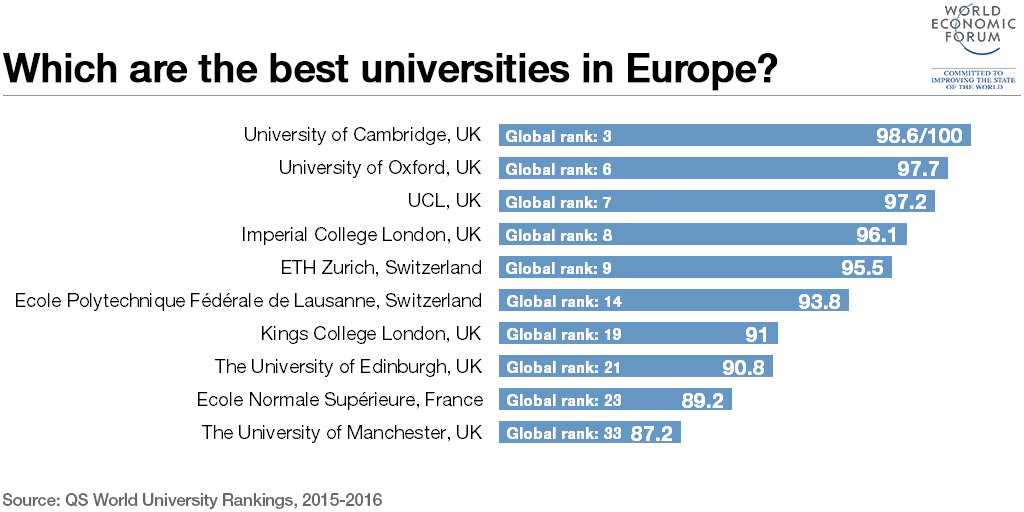
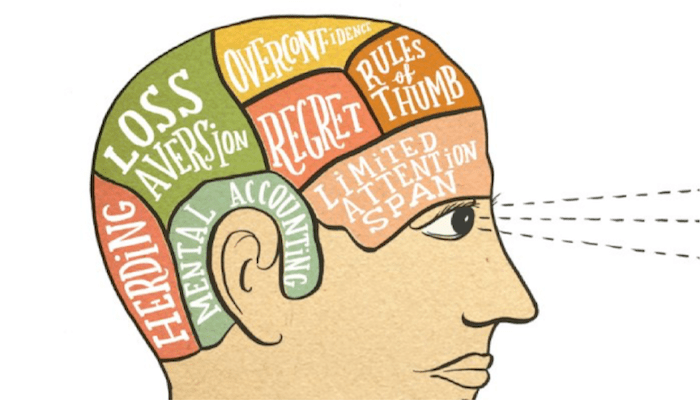
We analyse how cognitive biases like loss aversion and the gambler’s fallacy influence casino games, drawing on studies from UK casinos such as those in London’s West End. As a global hub for casino tourism and academic research on gambling, London provides a rich context for this work, with institutions like the University of Cambridge conducting pioneering behavioural economics research relevant to gambling.
Loss Aversion in Blackjack Strategies
The principle of loss aversion—where the pain of a loss outweighs the pleasure of an equivalent gain—profoundly shapes play. A player might stand on a risky 16 against a dealer’s strong upcard, not because it’s statistically sound, but because they fear the immediate regret of ‘causing’ a bust. This emotional accounting often overrides optimal strategy.
The Gambler’s Fallacy in Roulette Wheels
At the roulette table, the gambler’s fallacy—the mistaken belief that past random events influence future ones—is on clear display. After a run of reds, players will heavily bet on black, believing it is “due.” This misreading of probability is a classic focus of behavioural economics, demonstrating how intuition clashes with mathematical reality in fast-paced casino decision making.
Problem Gambling Research in Europe: Trends and Interventions
We explore problem gambling prevalence in the UK, citing data from the UK Gambling Commission, and examine EU-funded interventions supported by charities like GambleAware. Understanding the scale and nature of harm is the first step in crafting effective, evidence-based solutions that protect vulnerable individuals.
UK Problem Gambling Statistics and Surveys
Regular surveys from the UK Gambling Commission, which regulates all commercial gambling in Great Britain, provide critical data. Recent figures indicate that while problem gambling rates in the UK remain relatively stable in the overall population, certain demographics and products show elevated risk, necessitating targeted research and policy responses.
EU-Funded Harm Reduction Programs
Across Europe, Horizon 2020 and other EU funding streams support innovative harm-minimisation projects. These often collaborate with national charities; for instance, GambleAware is a leading UK charity funding research and treatment for gambling harm. EU projects might trial new behavioural “friction” tools in online environments or evaluate the efficacy of different treatment modalities.
Applying Research Insights: Policy and Personal Responsibility
Our research informs UK gambling policy through the UK Gambling Commission’s guidelines and promotes responsible gambling via European collaborations like the European Association for the Study of Gambling. The ultimate goal is to translate academic findings into tangible protections and a stronger culture of safety.
UK Gambling Commission Regulations
Insights from behavioural science directly feed into the regulatory landscape. The UK Gambling Commission’s recent guidelines on game design and affordability checks are informed by an understanding of cognitive biases and their role in exacerbating harm, ensuring policy is grounded in contemporary behavioural research.
European Networks for Research Exchange
Bodies like the European Association for the Study of Gambling (EASG) are vital for synthesising findings across borders. By sharing data and best practices from the UK, Sweden, Germany, and beyond, these networks help create a cohesive, European approach to mitigating gambling-related harms, informed by a unified research agenda.
We emphasize the critical role of continuous EU research in developing effective gambling harm reduction strategies across Europe. The journey from an energy-focused project to a dedicated behavioural gambling blog underscores the value of interdisciplinary, Horizon 2020-funded inquiry. As the landscape of gambling evolves, so must our understanding. We invite you to engage with our ongoing analysis and join the conversation on shaping a safer gambling future. Explore our findings, consider their implications, and share your perspectives with us.