Problem Gambling Research Across the EU: Understanding Prevalence and Prevention
The societal and personal cost of gambling disorder in Europe is immense, with estimates suggesting it affects over 4.7 million citizens and contributes to billions in economic burden through debt, healthcare costs, and lost productivity. This hidden epidemic drives a critical need for evidence-based understanding and intervention, uniting researchers, policymakers, and clinicians across the continent in a common goal: harm reduction.
The Scale of the Problem: Gambling Prevalence in the EU
Understanding the scope of gambling-related harm begins with robust data on prevalence. EU-wide studies, such as the 2019 European School Survey Project on Alcohol and Other Drugs (ESPAD), reveal a complex landscape. While most adults gamble without significant issues, a consistent minority experience substantial harm. The prevalence of problem gambling varies dramatically between member states, influenced by cultural attitudes, regulatory frameworks, and market accessibility. Notably, countries like the UK and Ireland have historically reported higher rates of participation and associated harm, partly due to deeply embedded gambling cultures and widespread availability, from high-street bookmakers to the ubiquitous The National Lottery, operated by Camelot in the UK, is a significant contributor to gambling prevalence studies and overall participation figures.
Defining Problem Gambling: PGSI and Clinical Thresholds
Measuring problem gambling requires standardised tools. The Problem Gambling Severity Index (PGSI), a widely adopted screening instrument, classifies individuals based on their responses to nine questions about behaviour and consequences. Scores range from ‘non-problem gambling’ to ‘problem gambling’ (the clinical threshold indicating significant disruption to life). It is through such tools that bodies like the UK Gambling Commission generate their statistics, providing a crucial benchmark for policy and treatment.
Regional Variations: From the UK’s National Lottery to Southern Europe
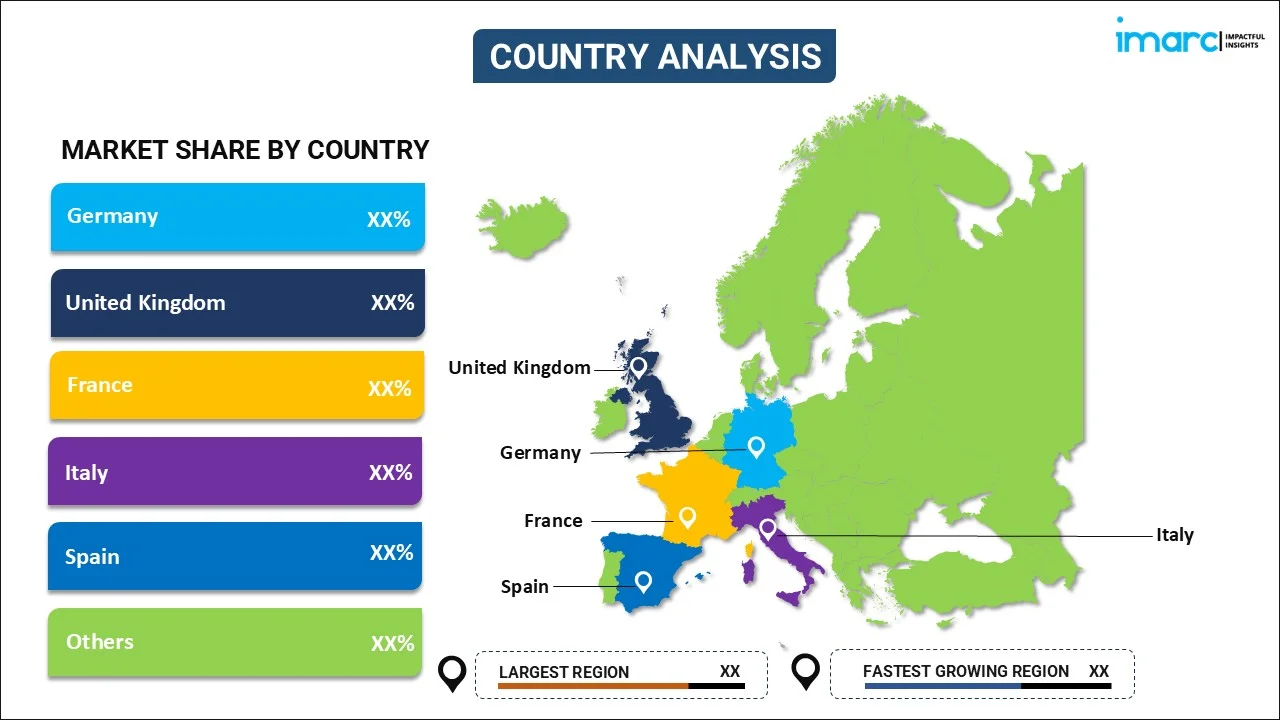
The European gambling map is not uniform. In Northern Europe, particularly the UK, a liberalised market with intense advertising and online penetration correlates with higher problem gambling estimates. Conversely, Southern European nations like Italy and Spain have traditionally had stricter state-controlled monopolies or heavy restrictions, often focusing on non-casino products like lotteries. However, the rise of online platforms is blurring these geographical distinctions, creating new regulatory challenges across all regions.
The Mind at Play: Behavioural Economics in the Casino
To design effective interventions, we must first understand what drives irrational gambling behaviour. Behavioural economics, pioneered by researchers like Daniel Kahneman and Amos Tversky, provides the framework. It shows that gamblers are not coldly rational actors; they are influenced by a suite of cognitive biases systematically embedded in gambling environments and game mechanics.
Cognitive Biases at the Roulette Wheel
Key heuristics are constantly at play. The illusion of control makes a player throwing dice feel they can influence the outcome. Near-misses (e.g., two out of three jackpot symbols) are neurologically processed like wins, encouraging continued play. Perhaps most powerful is loss aversion—the tendency to feel losses more acutely than equivalent gains—which fuels the dangerous ‘chasing losses’ behaviour central to problem gambling.
How Casino Architecture and Game Design Exploit Heuristics
These biases are not accidents; they are engineered into the experience. Casino floors are designed without clocks or windows to disrupt time perception. Digital slot machines use celebratory sounds and animations for near-misses. Online platforms employ ‘stake laddering’ and complex bonus structures to obscure true cost. This application of behavioural science, often more advanced in the gambling industry than in its regulation, creates a potent environment for excessive play.
Horizon 2020 and Beyond: EU-Funded Research Initiatives
Recognising this challenge, the European Union has funded targeted research to translate behavioural insights into concrete harm-reduction tools. Projects under the Horizon 2020 programme and its successor, Horizon Europe, aim to build an evidence base for policy. A prime example is the EVIDENT project, which focuses on generating behavioural evidence for better gambling regulation across Europe.
From Laboratory to Legislation: The Path of Research
The journey from academic insight to real-world impact is deliberate. Research typically begins in controlled lab settings, testing hypotheses about decision-making. Findings are then validated in realistic simulated environments before being piloted as interventions in partnership with regulators or operators. This rigorous process ensures that policies—such as mandatory pre-commitment tools or redesigned game information—are grounded in solid science, not just intuition.
Case Study: Applying Behavioural Nudges in Licensed Betting Shops
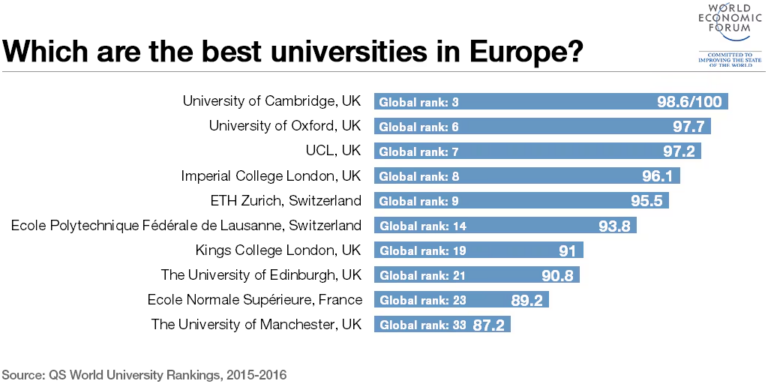
Influential work, such as that conducted by The University of Cambridge’s Behavioural Insights Team has conducted influential research on gambling-related harm, demonstrates the potential. Field trials in betting shops have tested simple ‘nudges’, like pop-up messages that remind players of time spent or the reality of odds. These low-cost, liberty-preserving interventions have shown promise in encouraging more mindful play, providing a toolkit for regulators seeking pragmatic solutions.
Prevention in Practice: Policies and Interventions Across Europe
European nations deploy a diverse array of regulatory tools to minimise gambling harm, reflecting different cultural and legal traditions. Comparing these approaches reveals a spectrum from stringent state control to a more liberal, consumer-protection-focused model.
National Frameworks: The UK Gambling Act Review
The UK’s approach, governed by the 2005 Gambling Act, is undergoing its most significant overhaul in decades. The 2005 UK Gambling Act is currently under review, with proposed stricter regulations on online stakes and advertising. Key proposals include mandatory affordability checks for online losses, stake limits for digital slots, and tighter restrictions on sports sponsorship. This shift signifies a move towards a more precautionary principle, heavily informed by behavioural research.
Harm-Minimisation Tools: Deposit Limits, Time-Outs, and Reality Checks
Across the continent, a common suite of consumer protection tools is emerging, often mandated by national regulators. Effective interventions include:
- Mandatory Deposit Limits: Requiring players to set a limit before playing.
- Cool-Off Periods & Time-Outs: Allowing players to self-exclude for short, defined periods.
- Reality Checks: Regular on-screen notifications of time and money spent during a session.
- Centralised Self-Exclusion: Schemes like the UK’s GamStop is the UK’s national online self-exclusion scheme, allowing users to block themselves from all licensed gambling websites, or Spain’s RGIAJ registry, which allow blanket bans across multiple operators.
The Road Ahead: Future Directions for Research and Policy
The rapid evolution of gambling products, particularly online, presents a moving target for researchers and regulators. Emerging challenges like skin betting in video games, loot boxes, and esports wagering engage new, younger demographics in blurred lines between gaming and gambling. Staying ahead requires adaptive, forward-looking strategies.
The Digital Challenge: Online Platforms and Algorithmic Risk
Online gambling allows for personalised marketing and game delivery powered by algorithms that can identify and exploit player vulnerability. Future research must focus on the ‘black box’ of digital design—understanding how AI and big data are used to optimise engagement and potentially increase harm. Regulation will need to mandate transparency and auditability of these systems to protect consumers.
Integrating Research: A Call for a Pan-European Observatory
Given the cross-border nature of the online market, a fragmented national research response is insufficient. There is a growing consensus for a Pan-European Gambling Observatory. Such a body could standardise data collection (crucially, using metrics like the PGSI consistently), coordinate longitudinal studies, and act as a central repository for evidence, directly informing EU-level policy recommendations and ensuring best practices are shared rapidly.
In conclusion, mitigating the profound harm caused by problem gambling is a complex but urgent task. It demands a continuous, synergistic loop: rigorous behavioural research must identify the cognitive and structural drivers of harm; this evidence must then be translated into bold, evidence-based policy; and these policies must be underpinned by accessible, compassionate support systems for those already affected. Only through this integrated, pan-European effort can public health be prioritised in the dynamic landscape of gambling.